Avoid hidden rubbish removal charges in Eastham
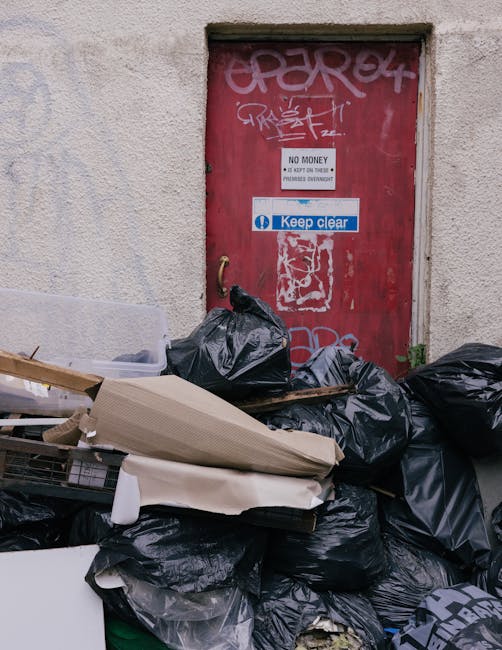
If you've ever booked a rubbish collection and then seen the final bill jump for reasons that were never clearly explained, you'll know how frustrating it can be. Hidden charges are one of those small-business headaches that somehow feel bigger when the bags are piled up by the front door and the clock is ticking. This guide shows you how to avoid hidden rubbish removal charges in Eastham, what to ask before you book, and how to spot vague pricing before it turns into a surprise. You'll also see where the real costs tend to come from, how reputable waste teams usually quote, and which details matter most if you want a fair, tidy, no-nonsense service.
Let's face it: rubbish removal should make life easier, not create a debate about "additional handling" or "access issues" after the van has already arrived.
Here's the practical bit: the more clearly you understand the job, the easier it is to compare quotes properly and pay only for what you actually need.
Why hidden rubbish removal charges in Eastham matter
Unexpected charges are not just annoying. They can completely change how sensible a clearance job feels. A quote might look competitive at first glance, but if the provider later adds fees for loading time, restricted access, parking, heavy items, or mixed waste, the actual cost can drift far above what you budgeted. In a place like Eastham, where homes, flats, terraces, driveways, side returns, and tighter residential streets can all affect access, the difference between a clean quote and a fuzzy one matters a lot.
The issue is bigger than money, too. A vague quote usually signals a vague process. If a company is casual about pricing, they may also be casual about timing, communication, recycling standards, or what happens if the load is larger than expected. That is not always the case, of course, but it is a fair warning sign.
There is also the simple peace-of-mind angle. When you know the cost up front, you can decide whether to keep sorting, split the job into two visits, or compare another service like a waste removal collection against a more specific clearance option. No guesswork. No awkward phone call later.
Truth be told, most hidden charges are avoidable if you know which questions to ask. That is the real point of this article.
How rubbish removal pricing usually works
Most rubbish removal quotes are built from a few practical variables: how much waste there is, what kind of waste it is, how easy it is to collect, and whether any items need special handling. Reputable operators tend to price by load size, weight, item type, labour involved, or a combination of these factors. The key thing is that the basis for the quote should be explained clearly before anyone turns up.
A straightforward collection might involve a small pile of general household junk, a few broken bits of furniture, or a single bulky item. A more complex job might involve loft contents, garage clutter, builders' debris, or mixed materials that need sorting. The cost can change if the job involves stairs, limited parking, long carrying distances, or fragile access. That's normal, to a point. The problem begins when those factors are not mentioned until after the job is underway.
Here's the simple version:
- Ask what the base price covers.
- Ask what counts as extra.
- Confirm whether labour, loading, and disposal are included.
- Check if the quote changes for heavy, awkward, or restricted-access items.
- Make sure the provider understands exactly what is being removed.
That last point is crucial. A photo on its own can help, but a photo plus a clear description is better. For example, "three black bags, one wardrobe, two broken shelves, and a mattress from the first floor" gives a much better pricing picture than "some rubbish." It sounds obvious, but you would be surprised how often this is where misunderstandings start.
If you need a more specific service, such as a house clearance or furniture disposal, the quote should reflect that service type rather than being a rough guess. A detailed service usually means a more stable price. Usually.
Key benefits and practical advantages
When you avoid hidden charges, the benefits are immediate and fairly obvious, but there are also a few less visible advantages that matter in real life.
- Better budgeting: You know what the collection will cost before you commit, so you can plan without leaving room for nasty surprises.
- Faster decisions: Clear pricing makes it easier to choose between providers.
- Less stress on the day: Nobody wants to negotiate over the driveway while the van is idling outside.
- Better service quality: Transparent pricing often goes hand in hand with clearer communication.
- Cleaner comparisons: You can compare services based on what is included, not just a headline number.
- Fewer delays: If the job details are agreed early, the collection is less likely to stall.
There is a practical upside that people often overlook: hidden-fee avoidance helps you choose the right type of service. For instance, if you're clearing a loft full of mixed items, a loft clearance may be the more suitable option than a general collection, and that usually means fewer surprise adjustments later.
You will notice that honest pricing usually feels calmer. It is less "salesy", less rushed, and more like a proper discussion. That calm feeling is worth something.
Expert takeaway: The cheapest quote is not always the cheapest job. The best quote is the one that explains exactly what is included, what might change, and what the provider needs from you to keep the price fixed.
Who this is for and when it makes sense
This advice is useful if you're dealing with almost any type of clearance in Eastham, but it matters most if your job is a little messy, a little bulky, or a little uncertain. If the waste is straightforward and fully accessible, pricing is usually simpler. If not, it pays to slow down and ask better questions. That's the trick.
You'll benefit from a careful approach if you are:
- clearing a flat, house, or garage after a move or spring clean;
- removing old furniture, a mattress, or appliances;
- sorting builders' waste after renovation work;
- emptying a commercial space or office;
- getting rid of garden waste after a tidy-up;
- dealing with mixed clutter where items vary in size and weight;
- looking for a same-day or short-notice collection;
- comparing several providers and want to avoid vague pricing tactics.
If your job is commercial rather than domestic, the stakes can be higher. For example, business waste often needs clearer scheduling, better documentation, and more precise communication around volume and disposal. A service like business waste removal or office clearance is usually easier to compare when the scope is set properly from the start.
And yes, even a relatively small job can pick up extra charges if the access is awkward. A narrow stairwell, no parking nearby, or a third-floor flat without lift access can all affect labour time. Nothing mysterious. Just something to clarify early.
Step-by-step guidance
Here is a simple process to help you avoid hidden rubbish removal charges in Eastham without turning the whole thing into a research project.
1. Make a clear inventory
Walk through the space and list what needs removing. Be specific. Count bags, estimate item size, and separate obvious categories such as furniture, appliances, garden waste, or renovation debris. A quick phone photo is useful, but a list helps even more.
2. Flag anything unusual
Tell the provider if there are stairs, parking limitations, long carries, heavy items, damp waste, or access restrictions. These are the details that often affect the final price. Better to be slightly over-detailed than under-detailed.
3. Ask what the quote includes
Does it cover labour, loading, disposal, recycling, and VAT if applicable? Does the base price include one worker or two? Is there a minimum charge? A good provider will answer clearly and without making you feel awkward for asking. If they act annoyed by normal questions, that's a useful clue in itself.
4. Confirm what triggers extra costs
This is the big one. Ask exactly what could increase the price. Typical examples include extra volume, special waste, heavy lifting, limited access, waiting time, or unplanned additional items. Keep going until the answer is plain English.
5. Match the service to the job
General rubbish removal is not always the best fit. A sofa, for example, may be better handled under a furniture-specific service. A mix of old household items might suit a home clearance. A cluttered outbuilding might call for garage clearance. Matching the service properly reduces misunderstandings.
6. Get the quote in writing
A written message, booking confirmation, or invoice note is much safer than a vague phone conversation. It gives you something to refer back to if there is a dispute later. Not glamorous, but extremely useful.
7. Check before loading starts
On collection day, walk through the load with the team if needed. If something has changed, say so before the van is full. It is far easier to fix a mismatch before work begins than after half the driveway has been cleared.
If you want a helpful next step, a service page like pricing and quotes can help you understand how a transparent booking process should look before you commit.
Expert tips for better results
Here's where a little experience saves a lot of hassle. These are the details people often miss the first time round.
- Be careful with "from" pricing. A headline rate can be genuine, but only if you know what the starting point actually covers.
- Use photos from a distance and up close. One wide shot plus a few close-ups often tells the story better than a single picture.
- Separate easy items from awkward ones. A pile of bags is usually simpler than a mattress wedged behind a wardrobe.
- Ask about recycling expectations. If the provider discusses sorting and recovery clearly, that usually suggests a more organised operation.
- Check payment terms early. Knowing when payment is due helps avoid awkwardness. Nobody likes a surprise invoice while standing in the rain.
- Save the booking message. Even a screenshot can be useful if the scope is disputed later.
One small but useful habit: measure the tricky items. A sofa, cabinet, or appliance can be smaller or larger than it looks, and those few centimetres sometimes matter more than people expect. Especially in older Eastham properties where hallways can be narrow and stair turns are sharp.
Another point worth mentioning: if you need specialist removal, don't pretend it is standard waste. For example, a fridge and appliance removal job may involve handling rules or collection steps that a general service quote won't fully cover. That's not a problem, as long as it is clear from the start.
Common mistakes to avoid
Most hidden charges come from one of a handful of avoidable mistakes. The good news is that they're easy to sidestep once you know them.
- Booking on headline price alone. A cheap first impression can be misleading if the provider has not explained what is included.
- Underestimating volume. "A few bags" often turns into "quite a lot more than I thought" once everything is gathered in one place.
- Forgetting access issues. Long carrying distances, stairs, and parking complications can change the job significantly.
- Mixing waste types without checking. Some materials need separate handling, and that may affect cost.
- Not asking about waiting time. If the crew has to wait while items are sorted, that may be chargeable.
- Assuming every provider prices the same way. They do not. Not even close.
A very common one is leaving half the job description out. A customer says "just some old stuff," and then the team arrives to find four heavy wardrobes, a broken washing machine, and bags in the loft. At that point, the pricing conversation gets messy. You can avoid that with a bit of upfront detail.
Another mistake? Forgetting to mention items tucked away in the garden or shed. Small hidden piles have a habit of becoming "oh, and those too" at the worst possible moment.
Tools, resources and recommendations
You do not need anything fancy to protect yourself from hidden rubbish removal charges. A few simple tools are enough.
- Your phone camera: Take clear photos of the waste from different angles.
- A rough list: Write down item types, counts, and anything awkward.
- A tape measure: Useful for bulky items like sofas, wardrobes, or appliance openings.
- Access notes: Record parking restrictions, floor level, gates, and narrow paths.
- A booking message or email: Keep a written record of what was agreed.
If you're sorting mixed items and want to be more organised, related pages such as furniture clearance, builders waste clearance, or garden clearance can help you understand the kind of service that best fits the job. That makes pricing far easier to judge.
For sensitive items, it also helps to think beyond price. Confidential papers, for example, are not just "rubbish". They need careful handling. A service such as confidential shredding is a better fit when documents need secure disposal. Same idea, different job.
Law, compliance, standards, and best practice
Any waste removal service should operate with proper care, sensible handling, and suitable disposal methods. In the UK, waste must be dealt with responsibly, and customers should be cautious about using anyone who cannot explain where the waste goes or how it is handled. You do not need to become a compliance expert, but it is smart to ask a few basic questions.
Good practice usually includes:
- clear pricing before work starts;
- transparent communication about waste type and load size;
- safe handling of heavy or awkward items;
- appropriate sorting and disposal;
- careful treatment of items that may need special handling;
- reasonable evidence of professionalism, such as clear terms and policies.
If hazardous or unusual materials are involved, do not assume a normal clearance is enough. Ask first. A dedicated hazardous waste disposal approach may be more appropriate, depending on what the material is. That is one area where improvising is not a great idea. Not at all.
It is also sensible to check the provider's terms and policies so you know how bookings, cancellations, complaints, and payment handling work. Transparent businesses usually make that information easy to find. If something is unclear, ask before you book, not after.
Best practice, in plain English, is simple: if the price depends on a detail, make that detail visible before collection day.
Options, methods, or comparison table
Different clearance jobs suit different approaches. A quick comparison can help you decide what is worth asking for.
| Option | Best for | What to watch | Price clarity |
|---|---|---|---|
| General rubbish removal | Mixed household waste, smaller clearances | Ambiguous item lists, access issues | Good if the scope is clear |
| Furniture-specific removal | Sofas, wardrobes, beds, bulky items | Size, weight, stairs, disassembly | Strong when item count is specified |
| House or home clearance | Whole rooms or larger domestic jobs | Hidden items, lofts, garages, basements | Better with a full inventory |
| Builders' waste clearance | Renovation debris, mixed construction waste | Material mix, heavy loading, dust and volume | Needs detailed description |
| Garden clearance | Green waste, branches, soil, outdoor clutter | Weight, bags, and access through the property | Usually clear if quantity is known |
If you are still unsure, the easiest route is to match the service to the heaviest part of the job. That's often where the real cost pressure sits. For example, if the job is mainly old sofas and a mattress, a targeted option like mattress and sofa disposal can be more straightforward than asking for a vague "rubbish clearance" quote.
Case study or real-world example
Here is a realistic example from the sort of job people often face in Eastham.
A homeowner is clearing a spare room after years of storage. The room contains a broken chest of drawers, a wardrobe, two chairs, several black bags, and a few loose bits from the loft that were brought down "just to keep things moving". The homeowner wants the cheapest price and requests a quick quote by message.
The first provider gives a low starting figure but does not ask enough questions. The second provider asks for photos, checks whether the wardrobe needs dismantling, asks about stairs, and confirms whether the bags are light household waste or mixed heavier items. The second quote is a little higher at the outset, but it is much more realistic. No unpleasant surprise later. No "we didn't realise" moment.
On collection day, the first provider might have increased the price after arrival because the job was larger than expected. The second provider, having already understood the scope, arrives prepared and completes the clearance without drama. A bit boring, in a good way.
That is the pattern you want. A quote that is slightly more detailed, but far more trustworthy.
Practical checklist
Use this before you book anything. It is short, practical, and genuinely worth keeping.
- Have I listed all items to be removed?
- Have I mentioned stairs, parking, or restricted access?
- Do I know what is included in the quote?
- Have I asked what could increase the price?
- Have I confirmed the service matches the job type?
- Do I have the quote in writing?
- Have I checked whether any item needs specialist handling?
- Have I saved photos and booking details?
- Do I understand the payment terms?
- Am I comfortable that the provider has been clear and responsive?
If you can tick most of those off, you are in a strong position. If not, pause and ask the missing questions. A few minutes now can save a fair bit of irritation later.
Practical summary: Clear scope, clear access details, and a written quote are the three easiest ways to avoid hidden rubbish removal charges in Eastham. Everything else is secondary.
Conclusion
Avoiding hidden rubbish removal charges in Eastham is really about preparation, clarity, and asking normal questions without feeling awkward. You do not need to overcomplicate it. Just describe the job properly, confirm what is included, and make sure the provider has enough information to quote fairly the first time.
That approach gives you better control over your budget and a calmer experience on the day. It also helps you choose the right kind of clearance service, whether that is a general collection, a furniture-focused job, a house clearance, or something more specific. Little details matter here. They really do.
Get a free quote today and see how much you can save.
And if you take one thing away from all this, let it be this: a good waste clearance should feel straightforward from the first message to the final sweep of the floor.
Frequently Asked Questions
How do I avoid hidden rubbish removal charges in Eastham?
The best way is to give a full description of the waste, mention access issues, ask what is included in the quote, and get the price in writing. Clear information at the start prevents most surprise fees.
Why do rubbish removal quotes sometimes change?
Quotes can change if the waste volume is larger than expected, the items are heavier or harder to move, or the access is more difficult than first described. Honest providers usually explain these conditions before booking.
Is the cheapest rubbish removal quote always the best choice?
Not necessarily. A very low quote may leave out labour, disposal, or handling costs. A slightly higher but clearer quote often ends up being better value because it is more realistic.
What should be included in a rubbish removal quote?
A good quote should explain the service scope, labour, loading, disposal, and any conditions that could trigger extra cost. It should be clear enough that you know what you are paying for.
Do I need photos before getting a quote?
Photos are very helpful, especially if they show the full load and any awkward items. They are even better when paired with a short written description.
Can stairs or parking really affect the price?
Yes. Stairs, long carrying distances, and difficult parking can add time and labour to the job. That does not always mean an extra fee, but it should be discussed in advance.
How can I tell if a quote is vague?
If the provider only gives a rough number without asking about item type, quantity, access, or disposal needs, the quote may be too vague to trust. More detail usually means better accuracy.
Should I ask about recycling and disposal?
Yes. It is sensible to ask how the waste will be handled and whether it will be sorted responsibly. That helps you choose a more transparent and professional service.
What if I have mixed waste, furniture, and garden items?
Tell the provider everything up front. Mixed loads are common, but they need to be described clearly so the quote reflects the actual job rather than a guess.
Are specialist services better for bulky items?
Often, yes. Services such as furniture disposal, mattress removal, or appliance removal can be more straightforward and may reduce confusion over what is included.
What should I do if the final price is higher than agreed?
Ask for a clear explanation and refer back to the written quote or booking message. If the extra cost was not clearly disclosed beforehand, it is reasonable to challenge it politely.
Is it worth booking a clearance service in advance?
If your job is not urgent, booking in advance gives you more time to compare quotes and spot hidden fees. It is usually the calmer, cheaper route, even if it lacks the thrill of a last-minute tidy-up.
If you are comparing options, taking a few extra minutes to read service details can make all the difference. In the end, fair pricing and clear communication are what make a rubbish clearance feel easy rather than expensive.