Business Waste Removal in East Ham

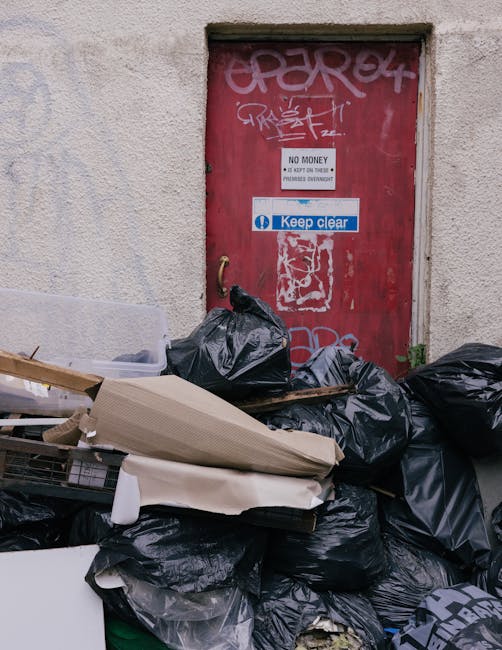
Business waste removal in East Ham needs to be practical, tidy and easy to organise around trading hours, access limits and the type of waste a workplace produces. We help organisations arrange the collection of everyday commercial rubbish, bulky items and mixed loads so that premises stay workable and storage areas do not become overloaded. The service is suited to shops, offices, workshops, clinics, hospitality premises and other local businesses that need a dependable way to clear waste without disrupting normal operations.
Our work covers a broad range of commercial waste streams, from general rubbish and packaging to fixtures, office contents and selected specialist items that need careful handling. Where material is suitable for sorting, we separate what can be reused or recycled from what must be disposed of. That approach keeps the service efficient while supporting a cleaner, more organised working environment. Clear planning matters here, because waste removal works best when the load, access and timing are matched to the site.
For businesses comparing options, it helps to start with the type of waste, how often it builds up and whether the clear-out is part of a change of use, a move, a refit or a routine tidy-up. You can prepare a quotation request by noting the main items, approximate quantities and any access considerations. If you are ready to talk through the job, request a quotation when it suits you.
Commercial clearances for busy premises
Different premises create different disposal challenges, so our business waste removal service in East Ham is set up to handle a range of practical situations rather than one fixed format. Some customers need a one-off clear-out after refurbishments, while others want a straightforward collection of accumulated rubbish and redundant items. We can work through office bags and boxes, retail packaging, shelving, counter units, light fixtures and similar non-hazardous commercial waste, provided the material and access are suitable for collection.
When a workplace has regular waste pressures, the most useful decision is often whether the job is a single clearance or a broader tidy-up that includes separating reusable stock, recyclable material and disposable rubbish. That choice affects the time needed on site and the amount of sorting involved. If you are unsure where a load belongs, ask for help with the main categories first and build from there. You can speak to us about the most appropriate clearance plan before booking.
Useful starting points often include:
- mixed office rubbish and paperwork bags
- redundant shop fittings and display items
- cardboard, packaging and shrink wrap
- non-electrical furniture and stored clutter
Offices, shops and shared workspaces

Office and retail waste often builds up in layers, so a good clearance needs to be more organised than simply loading everything into bags. We can help with redundant desks, chairs, cabinets, screens, boxes of old files, packaging from deliveries and similar workplace items. Where a premises contains both reusable stock and disposable waste, the clearance can be paced so that key business items are not mixed with rubbish by mistake.
In shared workspaces, timing and access are especially important because lifts, corridors and loading points may be used by several people at once. A sensible plan keeps disruption low and prevents waste from being left in circulation areas. If a business is moving, downsizing or refreshing its layout, it is often worth separating the job into categories before the collection begins. That makes it easier to understand what can be removed quickly and what needs more careful handling.
Common office and shop items that may be included in a commercial clearance are packaging waste, worn seating, broken storage units, surplus promotional material and general accumulated rubbish. Items that contain confidential information or special components may need separate arrangements, so it helps to identify them in advance. This keeps the load clearer, supports safer handling and helps the quotation reflect the actual work rather than a vague estimate.
Waste removal for refits, moves and occasional clear-outs
Businesses do not always need an ongoing waste arrangement. Sometimes the more useful option is a single collection linked to a refurbishment, relocation or stock change. In those situations, the main task is to clear what no longer belongs on the premises without disturbing the rest of the site. That might include old counters, packaging from new fittings, cardboard from deliveries, display pieces or general rubbish gathered during the changeover.
These jobs are usually easier when the waste has been grouped by type before collection day. For example, bulky items may be kept separate from bagged rubbish, and keepable stock may be stored away from disposal material. If there are access restrictions, loading bays, stairways or shared entrances, it is useful to note them early. That gives us a clearer picture of how the collection can be completed efficiently and safely.
For many customers, the aim is simply to hand over the removal task and get the space back into use without making the day more complicated. A clear list of items, a rough sense of the volume and a note of any urgent deadlines are often enough to begin. When you are ready, you can ask for a quotation based on the actual clearance required.
Sorting, recycling and responsible disposal
Commercial waste is rarely made up of one material only, so a useful service needs to handle sorting as well as transport. We look at what is reusable, what is recyclable and what needs disposal, then manage the load in a way that suits the contents. Cardboard, paper, some plastics, metal items and suitable office materials are often easier to separate than mixed waste, but the exact approach depends on what the business has on site.
This matters because different waste streams behave differently once they are packed, stacked or left in storage. A collection full of mixed material may need more manual sorting than a load made up of one clear category. If your premises generate regular volumes of packaging, offcuts or redundant stock, it can be sensible to keep those items together rather than mixing them with general rubbish. That can make the clearance more straightforward and more predictable.
We also consider whether individual items need extra care before removal. Fragments, sharp edges and awkwardly shaped objects can affect how a job is handled, even when the overall load is not especially large. Where a business wants to reduce avoidable waste, the practical question is not only what must leave the premises, but also what can be separated for reuse, recycling or a different disposal route. That decision is part of a well-run clearance rather than an afterthought.
What influences the quotation

Pricing for business waste removal in East Ham depends on the realities of the job rather than a one-size-fits-all figure. The main factors are the volume of waste, the type of items, how easy they are to access and whether sorting is needed on site. A straightforward bagged rubbish collection is different from a clearance that involves furniture, mixed materials or awkward access through shared spaces.
It also helps to know whether the load includes any items that need special handling or separate treatment. Not every item is appropriate for the same removal process, and a mixed commercial load may require more time than a simple bulk collection. If you can describe the waste clearly, the quotation can be more accurate and the collection easier to plan. You do not need to write a long explanation; a focused description is usually enough.
When preparing details, keep to the essentials:
- what type of waste needs removing
- approximately how much there is
- whether the items are bagged, boxed or loose
- what access points are available
About East Ham
East Ham is a district in the London Borough of Newham in east London, historically part of Essex before the growth and administration of metropolitan London reshaped the area. It sits to the east of central Stratford and north of Barking, with a landscape shaped by dense residential streets, town-centre activity and the transport corridors that connect east London toward the River Thames and the wider county. The district is closely associated with East Ham station and the surrounding commercial centre, which helps anchor the area’s everyday life. The street pattern reflects layers of development from the late nineteenth and early twentieth centuries, when suburban expansion brought terraces, civic buildings and local shops to what had previously been more rural land. Today, the mix of housing, retail frontages and community facilities gives East Ham a distinctly urban character that is still recognisable at street level. The area also contains several places of worship, schools and neighbourhood amenities that reflect its varied population and long-standing role as a settled part of Newham. Nearby green spaces such as Central Park and Plashet Park provide open space within a busy district, while the broader setting of Newham links East Ham to the regenerated Docklands edge, the Royal Docks and the route of the River Lea further west and north. Public transport connections, particularly through the District and Hammersmith & City lines, keep the area tightly connected to the rest of the capital. In everyday terms, East Ham combines high street activity, residential density and local distinctiveness, with its built environment showing the overlap of Victorian, interwar and later twentieth-century change.
Site visits, access and the kind of waste we handle
Before a collection takes place, the most useful thing is a clear picture of what is waiting on site. Photographs can help when the waste is bulky, spread across several rooms or difficult to describe, but they are not the only way to prepare. A short written summary of the items, plus any notes about parking, loading bays, stair access or restricted opening times, is often enough to begin the conversation. That keeps the enquiry focused on the actual clearance rather than unnecessary detail.
Businesses sometimes wait until waste starts affecting day-to-day operations before making arrangements. It is better to identify whether the load is mainly packaging, mixed rubbish, furniture, fixtures or stored clutter, because each type affects the time and handling required. If there are separate piles for reuse and disposal, say so clearly. That helps the collection be organised in a sensible order and avoids confusion when the team arrives on site.
We aim to keep the process straightforward for managers, tenants and site staff who want the waste gone without a long chain of back-and-forth. Once the main items and access conditions are known, it becomes much easier to assess the work and decide how best to proceed. Simple preparation on the customer side usually means a smoother clearance overall, even when the load is substantial.
Housekeeping for ongoing commercial waste
Some businesses only need occasional support, but others benefit from a more regular approach to waste housekeeping. In those cases, the main aim is to stop unwanted material from accumulating in storerooms, back offices, utility spaces or loading areas. When waste is dealt with before it spreads through a site, the business has more room for stock, equipment and day-to-day tasks. That applies just as much to smaller premises as it does to larger commercial units.
The value of a tidy, consistent approach is not simply visual. It can also help staff keep track of what should be retained, what is ready for disposal and what may need separate handling. If the same categories keep appearing, such as packaging, worn office furniture or redundant display material, it may be worth noting them for future collections. That creates a clearer picture of recurring waste patterns without assuming every visit will be identical.
For businesses that want to plan ahead, it is useful to remember that not all waste needs the same treatment. Bagged rubbish, loose items, dismantled fittings and bulky pieces may all need different handling once they are brought together. A practical clearance is one that respects those differences and keeps the premises usable while the work is under way.
Business waste removal options across East Ham
There is no single format that suits every workplace, which is why our business waste removal service is best understood as a set of practical options rather than a rigid package. Some customers only need a quick removal of accumulated rubbish, while others want a fuller clearance of unwanted furniture, packaging and redundant stock. The best option depends on what is present, how it is stored and what needs to happen to the space afterwards.
If you are deciding whether to book, it may help to think in terms of what has to leave now and what can wait. That separation keeps the work manageable and reduces the risk of throwing away items that still have a use. It also makes it easier to explain the job when you ask for a quotation, because the request can focus on the actual waste rather than a general tidy-up description.
When you are ready to move forward, a clear, factual enquiry is usually the best starting point. Tell us what the premises contain, how the waste is arranged and whether the collection needs to fit around business hours or shared access. If you want to discuss the job in more detail, request a quotation now.