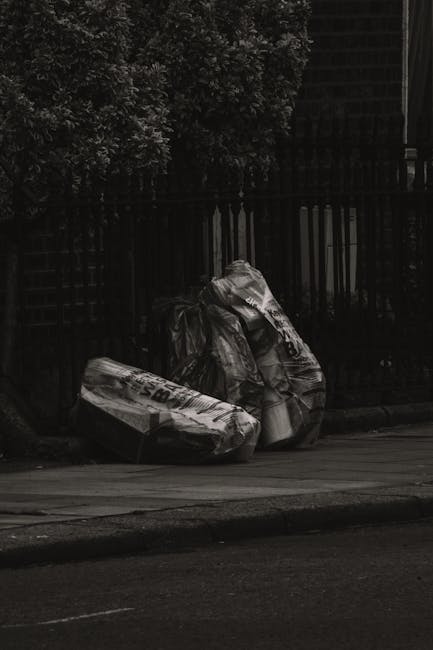
Cheap bulky rubbish removal Liverpool Road Eastham: a practical guide to affordable clearance
If you've got an old sofa blocking the hallway, broken wardrobes in the spare room, or a pile of awkward, heavy junk that will not fit in the car, you're not alone. Finding cheap bulky rubbish removal Liverpool Road Eastham is usually about more than price. It is about getting the job done quickly, safely, and without the usual headache. Truth be told, bulky waste has a way of sitting there for weeks once it gets in your way.
This guide explains how bulky rubbish removal works, what affects the cost, what to watch out for, and how to make sure you choose a service that is both affordable and sensible. We'll also cover the kinds of items people usually need removed around Liverpool Road in Eastham, the common mistakes that make jobs more expensive, and the best way to prepare for a smooth clearance.
For a broader look at services and company details, you can also review the site's general waste removal services, check the pricing and quotes information, or learn more about the team on the about us page.
Table of Contents
- Why Cheap bulky rubbish removal Liverpool Road Eastham Matters
- How Cheap bulky rubbish removal Liverpool Road Eastham Works
- Key Benefits and Practical Advantages
- Who This Is For and When It Makes Sense
- Step-by-Step Guidance
- Expert Tips for Better Results
- Common Mistakes to Avoid
- Tools, Resources and Recommendations
- Law, Compliance, Standards, or Best Practice
- Options, Methods, or Comparison Table
- Case Study or Real-World Example
- Practical Checklist
- Conclusion
- Frequently Asked Questions
Why Cheap bulky rubbish removal Liverpool Road Eastham Matters
Bulky rubbish is different from a normal bin bag collection. It is usually heavy, awkward, and difficult to move through stairs, narrow hallways, shared entrances, or tight side access. A mattress, a broken fridge, or a dismantled wardrobe can be a real nuisance if you try to handle it yourself.
On Liverpool Road and the surrounding Eastham area, many homes and flats do not have endless storage space. That means bulky items can quickly become a problem. They take up room, collect dust, and can make a property feel untidy or even unsafe. If you are preparing for a move, clearing a rental, or just reclaiming the garage, getting rid of that waste properly can make a visible difference almost immediately.
Cheap does not have to mean poor quality. In this context, it usually means paying for the right amount of labour, vehicle space, and disposal support-nothing excessive, nothing vague. The best services are straightforward. They give you a clear idea of the price, turn up when they say they will, and remove the items without messing about.
There is also a practical side. Bulky waste left outside too long can create access issues, attract complaints, or simply become one of those jobs you keep walking past and ignoring. We've all done that. It rarely gets better by itself.
Expert summary: The cheapest option is not always the one with the lowest headline price. The real value is in fast collection, clear pricing, and proper disposal without hidden add-ons.
How Cheap bulky rubbish removal Liverpool Road Eastham Works
Most bulky rubbish removal jobs follow a fairly simple process. You describe what needs removing, the provider estimates the load, and the team collects it from your property. In many cases, the service is based on the amount of space your waste takes up in the vehicle, plus any extra labour needed to carry items from inside the property.
The process often starts with a quote. You may be asked to send photos or give a rough list of items. This is especially helpful if you have mixed bulky waste, such as furniture, white goods, and general clutter. The clearer your description, the less likely you are to run into surprises on the day.
Once the booking is confirmed, the crew arrives, loads the waste, and takes it away. If items need dismantling, this can sometimes be arranged, but it is best not to assume it is included unless the provider says so. That small detail can change both timing and cost. A quick chat saves a lot of faff later.
For households dealing with old furniture, the dedicated furniture disposal and furniture clearance pages may be useful. If the bulky waste includes a mattress or sofa, it may be better to use the specialist mattress and sofa disposal service.
In some cases, bulky waste is part of a larger clearance. A garage full of old fittings, for instance, may be better handled through garage clearance or even home clearance if several rooms are involved. That is often the cleaner, cheaper route overall.
Key Benefits and Practical Advantages
There are a few reasons people choose a local bulky rubbish removal service rather than doing everything themselves. Cost matters, yes, but convenience and safety are usually close behind.
- Less lifting and carrying: Heavy items can be awkward and, frankly, a bit of a backache waiting to happen.
- Faster turnaround: A job that might take you a whole weekend can often be cleared in a single visit.
- Better access handling: Teams are used to stairwells, narrow paths, and properties where every turn seems to be a tight one.
- Cleaner finish: Professional removal means fewer bits left behind and less disruption.
- Waste is handled properly: Reusable and recyclable material can be separated where appropriate, rather than everything going in one mixed pile.
Another quiet advantage is peace of mind. If you are clearing a property before a handover, a bulky waste service can help you avoid the rush and get the place ready without a last-minute scramble. That matters more than people think.
For business premises or mixed-use spaces, the same logic applies. Heavy office chairs, broken desks, and outgrown storage units are all easier to clear with a proper service, and the site's office clearance and business waste removal pages may be relevant.
Who This Is For and When It Makes Sense
This kind of service suits a wide range of people. Some just need a one-off bulky item taken away. Others need a more complete clear-out. The common thread is simple: there is too much weight, size, or awkwardness to deal with alone.
It makes sense if you are:
- moving home and need to strip out old furniture
- clearing a rented property between tenancies
- refreshing a room after replacing a bed or sofa
- emptying a loft, garage, or shed
- dealing with builders' leftovers after a refit
- sorting out office furniture or equipment
- removing appliances that are too bulky to take to a local tip yourself
If the waste comes from a renovation or repair job, it may fit better under builders waste clearance. If it is garden-related, then garden clearance is the better match. Choosing the right service is one of the easiest ways to keep the price under control.
Sometimes the decision is emotional as well as practical. A room full of old family furniture, for example, can feel like a project you keep putting off because it carries memories. That is normal. A good removal service should be efficient but also respectful of the fact that not every bulky item is "just junk."
Step-by-Step Guidance
If you want the smoothest and cheapest result, the process matters. Here is a simple way to approach bulky rubbish removal without overcomplicating it.
- List everything that needs removing. Write it down room by room if that helps. The more specific, the better.
- Separate bulky waste from hazardous or special items. Do not mix everything together and hope for the best.
- Take photos. A few clear pictures often help with quoting far more than a long message.
- Check access. Think about stairs, parking, low ceilings, long driveways, and whether large items need to be carried through the house.
- Ask what is included. Labour, loading, disposal, dismantling, and extra lifting can all affect the final figure.
- Book a time that gives you breathing room. Don't leave it until the last ten minutes before the carpet fitters arrive. That way lies stress.
- Prepare the items. Empty drawers, remove loose contents, and make a clear path where possible.
- Confirm payment terms. It is sensible to understand how payment works before the team arrives.
If the job involves a fridge, freezer, washer, or similar item, you may need the dedicated fridge and appliance removal service. Appliances are often treated differently from ordinary furniture, so it is worth checking rather than guessing.
Expert Tips for Better Results
There are a few small choices that can make a surprisingly big difference to cost and convenience. Most of them are simple. That is the good news.
1. Bundle similar items together. If you have a few pieces of furniture, clear them as one job instead of spacing them out across several visits. Multiple small callouts often cost more than one tidy collection.
2. Disassemble what you safely can. A flat-packed wardrobe is easier to remove than a fully assembled one. Just don't start taking things apart if you are going to end up with screws everywhere and a wobbly mess.
3. Be honest about volume. Underestimating the amount of waste can lead to awkward revisits or revised pricing. It is better to overdescribe slightly than to be vague.
4. Keep hazardous items separate. If you have paint tins, chemicals, batteries, or other risky materials, say so early. These need specialist handling, and the service may direct you to hazardous waste disposal.
5. Ask about recycling and reuse. A responsible operator will usually sort items where possible rather than sending everything to the same destination. If sustainability matters to you, look at the company's recycling and sustainability information.
6. Keep the access route clear. A hallway blocked with bin bags, shoes, and a bicycle does nobody any favours. A clean path means faster loading and, often, a quicker job overall.
Small things, but they add up.
Common Mistakes to Avoid
People often make the same handful of errors when arranging bulky rubbish removal. None of them are dramatic. They just make the job slower or more expensive than it needs to be.
- Mixing normal waste with restricted items: This can complicate the load and may trigger extra handling requirements.
- Not checking the real size of the items: "It's just a few bits" sometimes turns into a van full of heavy furniture.
- Forgetting access issues: A service can be cheap on paper, then more costly if the team has to carry items a long way.
- Leaving booking until the last minute: Rushed jobs are rarely the best-value jobs.
- Choosing only on price: The cheapest quote is not always the best value if it comes with vague terms or poor communication.
- Assuming everything is allowed: Some items need separate handling, especially appliances, fridges, and hazardous materials.
Another common one? Not reading the terms. It sounds dull, but it can save bother later. The site's terms and conditions and payment and security pages are worth a look before you commit.
Tools, Resources and Recommendations
You do not need a toolkit the size of a small builder's yard, but a little preparation helps. Most of the useful "tools" here are practical rather than technical.
- Mobile phone camera: good photos help with quoting and reduce back-and-forth.
- Measuring tape: useful if you are unsure whether an item will fit through a doorway or staircase.
- Basic gloves: helpful if you need to sort through dusty loft or garage items beforehand.
- Labels or tape: handy for marking what stays and what goes.
- Spare bags or boxes: useful for small loose items that might otherwise get missed.
For customers who prefer to book quickly, the site offers a book online option. If you need to compare service details before making a decision, the pricing and quotes page can help you understand how the business approaches estimates.
If you are not sure whether your load is better suited to a clearance or a disposal-only job, browsing the specific pages for house clearance or flat clearance may clarify things. And if you are dealing with a particularly full space, like a neglected garage, that dedicated service is usually the more efficient route.
Law, Compliance, Standards, or Best Practice
When bulky rubbish is being removed, the key point is that waste should be handled responsibly and in line with accepted UK waste-management practice. You do not need to become an expert in regulations, but you should know the basics.
In plain English, that means the waste should go to an appropriate facility, and items that need special treatment should not be thrown in with ordinary household clutter. If a provider is vague about how waste is handled, that is a warning sign. Better to ask a direct question than to assume.
It is also sensible to check that the company follows safe working practices. Bulky items can be heavy, dusty, sharp, or unstable. Lifting injuries and trip hazards are real, and they are exactly the sort of thing a professional crew should manage carefully. The site's health and safety policy and insurance and safety pages exist for a reason.
If you are disposing of confidential material mixed in with office or household waste, it may also be worth separating it for confidential shredding. That is especially relevant for paperwork from a home office or small business. A few minutes of sorting can save a lot of anxiety later.
Best practice is simple: be accurate about what you have, separate special waste, and use a service that is upfront about how it works. Not flashy. Just sensible.
Options, Methods, or Comparison Table
There are a few ways to get bulky rubbish removed. Some are cheaper in cash terms, others are cheaper in time, effort, or stress. The right choice depends on what you are moving and how quickly you want it gone.
| Method | Best for | Typical strengths | Possible downsides |
|---|---|---|---|
| Bulky rubbish removal service | Heavy furniture, mixed items, awkward loads | Fast, convenient, labour included | Can cost more than doing it yourself for very small jobs |
| Self-haul to a waste facility | Small, manageable loads | May be cheaper if you have transport | Time-consuming, lifting involved, vehicle access needed |
| Skip hire | Ongoing DIY or renovation waste | Useful over several days | Needs space, loading is your responsibility, not ideal for very bulky single items |
| Full property clearance | Homes, flats, garages, lofts, or offices with lots of mixed waste | Most efficient for larger clear-outs | Usually more than you need for one or two items |
If you are unsure whether a skip or collection is better, it may help to read the guidance on what can go in a skip. That is often where people realise the difference between a loose DIY load and an awkward one-off bulky collection.
Case Study or Real-World Example
Here's a realistic example. A couple in Eastham decides to clear out their spare room before turning it into a home office. The room contains an old double wardrobe, a broken desk, a mattress, and several boxes of mixed clutter from years of storage. Nothing exotic. Just the sort of build-up that happens when life gets busy.
At first, they think about hiring a van and doing it themselves. But the wardrobe is heavier than expected, the mattress is awkward in the stairwell, and the desk won't fit around the hallway corner without being dismantled. So they take a different route. They gather photos, separate the obvious items, and request a quote from a bulky rubbish removal service.
The job is priced based on volume and labour, not guesswork. The crew arrives, removes the items in one visit, and clears the room enough for decorating to begin that afternoon. Simple, really. The important bit is that the couple did not waste a full weekend arguing with flat-pack furniture and a van hire form.
That is the sort of scenario where a cheap, well-planned service pays for itself. Not because it is glamorous, but because it removes friction from your day. And sometimes that is worth a lot.
Practical Checklist
Before you book, run through this quick checklist. It keeps things tidy and helps avoid awkward surprises.
- Have I listed every bulky item clearly?
- Have I separated hazardous, confidential, or specialist waste?
- Do I know whether the items are inside, outside, or upstairs?
- Have I checked access, parking, and stairway constraints?
- Do I know if anything needs dismantling first?
- Have I taken photos for the quote?
- Do I understand what is included in the price?
- Have I reviewed the relevant service page if this is furniture, appliances, or a room clearance?
- Have I looked at the provider's safety and payment information?
- Is the collection date realistic for my schedule?
If you can tick most of those off, you are in a strong position. The rest is usually just logistics.
Conclusion
Cheap bulky rubbish removal Liverpool Road Eastham is about finding the sweet spot between affordability, reliability, and common sense. The best result is not just a low number on a quote. It is a smooth collection, a clear process, and the relief of seeing an awkward pile of waste disappear without drama.
Whether you are clearing one heavy item or a full room, the smartest approach is the same: describe the job properly, separate specialist waste, and choose the service that matches the load. That way you keep costs in check and avoid the kind of problems that turn a simple collection into a long afternoon.
Get a free quote today and see how much you can save.
And if you're standing in a doorway right now, looking at a sofa you no longer want, you've already done the hardest bit: deciding it needs to go. The rest is just getting it out of the way.
Frequently Asked Questions
How much does cheap bulky rubbish removal Liverpool Road Eastham usually cost?
It depends on the number of items, their weight, access, and how much space they take in the vehicle. The cheapest quote is not always the best value, so look for clear pricing rather than a vague headline figure.
Can bulky rubbish be collected from inside my house?
Yes, in many cases it can. If items need to be carried down stairs or through narrow areas, that may affect the quote, so it is best to mention access details upfront.
What counts as bulky rubbish?
Large household items such as sofas, wardrobes, mattresses, cabinets, beds, desks, and appliances are commonly treated as bulky waste. Mixed loads with several awkward items often fall into this category too.
Is it cheaper to use a bulky waste service or hire a skip?
It depends on the job. For a few large items, a collection service is often simpler and more cost-effective. For ongoing DIY or renovation waste, a skip may suit better. The right answer is the one that matches the waste you actually have.
Do I need to separate furniture from general rubbish?
Yes, if you can. Keeping furniture, appliances, and general waste separated helps with quoting and can make the collection more efficient. It also reduces the chance of special items being missed.
Can you remove sofas and mattresses?
Yes, those are common bulky items. If you want a dedicated option, the site has a specific mattress and sofa disposal service.
What should I do with old appliances?
Appliances are often handled separately because they can involve different disposal requirements. It is sensible to use the appropriate appliance service rather than treating them like ordinary furniture.
Can I put hazardous waste with bulky rubbish?
No, not usually. Paint, chemicals, batteries, and similar items should be flagged separately and handled through the proper route, such as the site's hazardous waste disposal service.
How do I prepare for a bulky rubbish collection?
List the items, take photos, clear access paths, and tell the provider about stairs, parking, or dismantling needs. A few minutes of prep can save time on the day.
Is there a difference between furniture clearance and bulky rubbish removal?
Yes, though they overlap. Furniture clearance focuses on large household pieces, while bulky rubbish removal can cover a broader mix of heavy or awkward waste. If you have several furniture items, the furniture service may be the better fit.
What if I only have one large item?
That can still be worth booking, especially if the item is heavy or difficult to move safely. Sometimes one awkward piece is more trouble than a small pile of lighter rubbish.
How do I know if a service is reliable?
Look for clear communication, practical pricing, and sensible information about safety, payment, and waste handling. If the service is transparent from the start, that is usually a good sign.